When gambling becomes a clinical concern

Gambling may become a problem when the behavior continues despite harm or when attempts to stop, limit, or hide it repeatedly fail.

Signs that gambling may require support include:

  • Spending more time or money gambling than intended
  • Chasing losses
  • Hiding gambling activity from loved ones
  • Borrowing money, using credit, or creating financial risk
  • Feeling restless, anxious, or irritable when trying to stop
  • Gambling to escape stress, depression, shame, or emotional pain
  • Repeated promises to quit followed by relapse
  • Relationship conflict connected to gambling
  • Difficulty focusing at work, home, or school because of gambling urges

Gambling addiction is not a failure of willpower. It is a serious behavioral health concern that deserves private, structured, non-shaming care.

Why gambling addiction is often about more than gambling

Compulsive gambling rarely exists in isolation. Many people who struggle with gambling also experience anxiety, depression, trauma, impulsivity, substance use, relationship distress, or deep shame.


The gambling behavior may be the visible issue, but the clinical work often involves understanding what the behavior is doing for the person emotionally.

At HBH, we look at the full picture, including:

  • Emotional triggers
  • Financial and relationship consequences
  • Secrecy and shame
  • Co-occurring mental health symptoms
  • Substance use concerns
  • Stress and avoidance patterns
  • Family or partner impact
  • Risk, safety, and support systems
  • Relapse patterns and accountability needs

Treatment is designed to address both the gambling pattern and the underlying factors that keep it active.

Our approach to gambling addiction treatment

Care begins with a confidential assessment. This helps our team understand what is happening, how gambling is affecting daily life, and what level of outpatient support may be appropriate.

Your treatment plan may include:

  • Individual therapy
  • Group therapy
  • Skills-based treatment
  • Relapse prevention planning
  • Emotional regulation work
  • Financial and behavioral accountability structures
  • Family or partner involvement when appropriate
  • Trauma-informed care
  • Co-occurring mental health treatment
  • Coordination with outside providers when clinically appropriate

The goal is not only to interrupt the behavior. The goal is to build a more stable, honest, and sustainable way of living.

Outpatient care connected to real life

Gambling recovery has to work in the real world, where access, triggers, stress, finances, relationships, and urges still exist.


HBH’s outpatient model allows clients to receive structured clinical support while remaining connected to daily responsibilities whenever clinically appropriate. This gives clients the opportunity to practice new coping skills, accountability, and decision-making in real time.


Depending on clinical need, care may include:

Support for families and loved ones

Gambling addiction often affects more than the person gambling. Partners, spouses, family members, and loved ones may be carrying fear, anger, confusion, financial stress, or broken trust.


When appropriate, HBH may involve family or support systems as part of the treatment process. This work can help clarify boundaries, improve communication, support accountability, and create a more stable path forward.


We approach family involvement carefully, respectfully, and with attention to privacy and clinical fit.

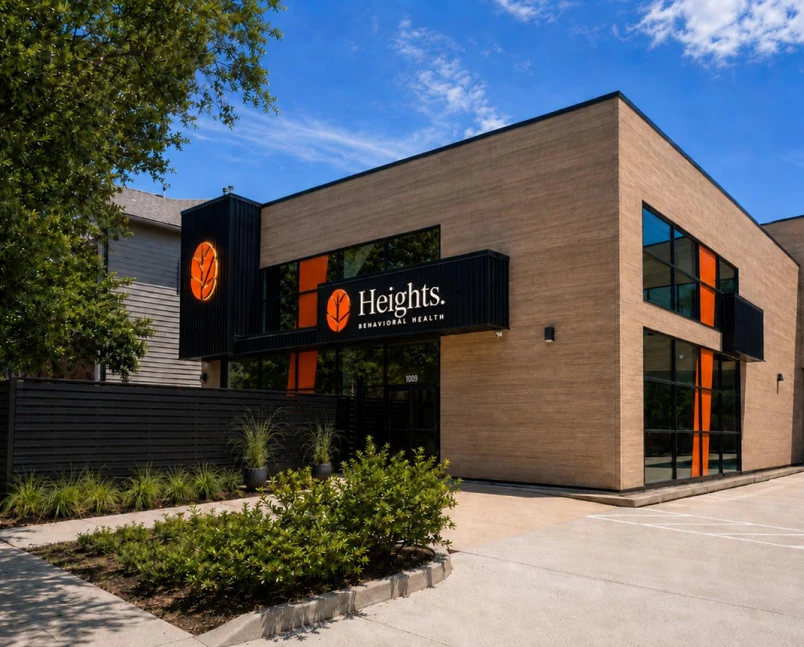
A discreet Houston Heights setting

We understand that gambling concerns can feel difficult to talk about. Many people wait to reach out because they feel embarrassed, overwhelmed, or unsure whether their situation is “serious enough.”


At Heights Behavioral Health, the first step is private and nonjudgmental. You do not need to have the right words. You only need to tell us what has been happening.


Our team will help you understand your options and determine whether HBH is the right fit.

Crisis Notice

Heights Behavioral Health provides licensed outpatient behavioral health care for adults in Houston, Texas, delivered by licensed clinicians. This page is for general information and is not medical advice. If you are in crisis, call or text 988, or call 911.