People are often nervous about groups before they start, and relieved once they do. Sitting with others who understand, practicing skills in real time, and being honest in a safe room is powerful in a way that one-on-one work alone cannot fully replace. Here is an honest look at how groups work in our program.
The Three Kinds of Groups We Run
Our weekly schedule is built from three complementary types of group, so you get insight, skills, and lived experience, not just one of them.
- Process groups, where you explore what is really going on, including our Process Group, Process Addictions, Healthy Relationships, Shame Resilience, Identity and Growth, and Anger Awareness
- Skills groups, where you learn concrete tools, including CBT, DBT, ACT, Motivational Interviewing, Solution-Focused work, Relapse Prevention, and Addiction Education
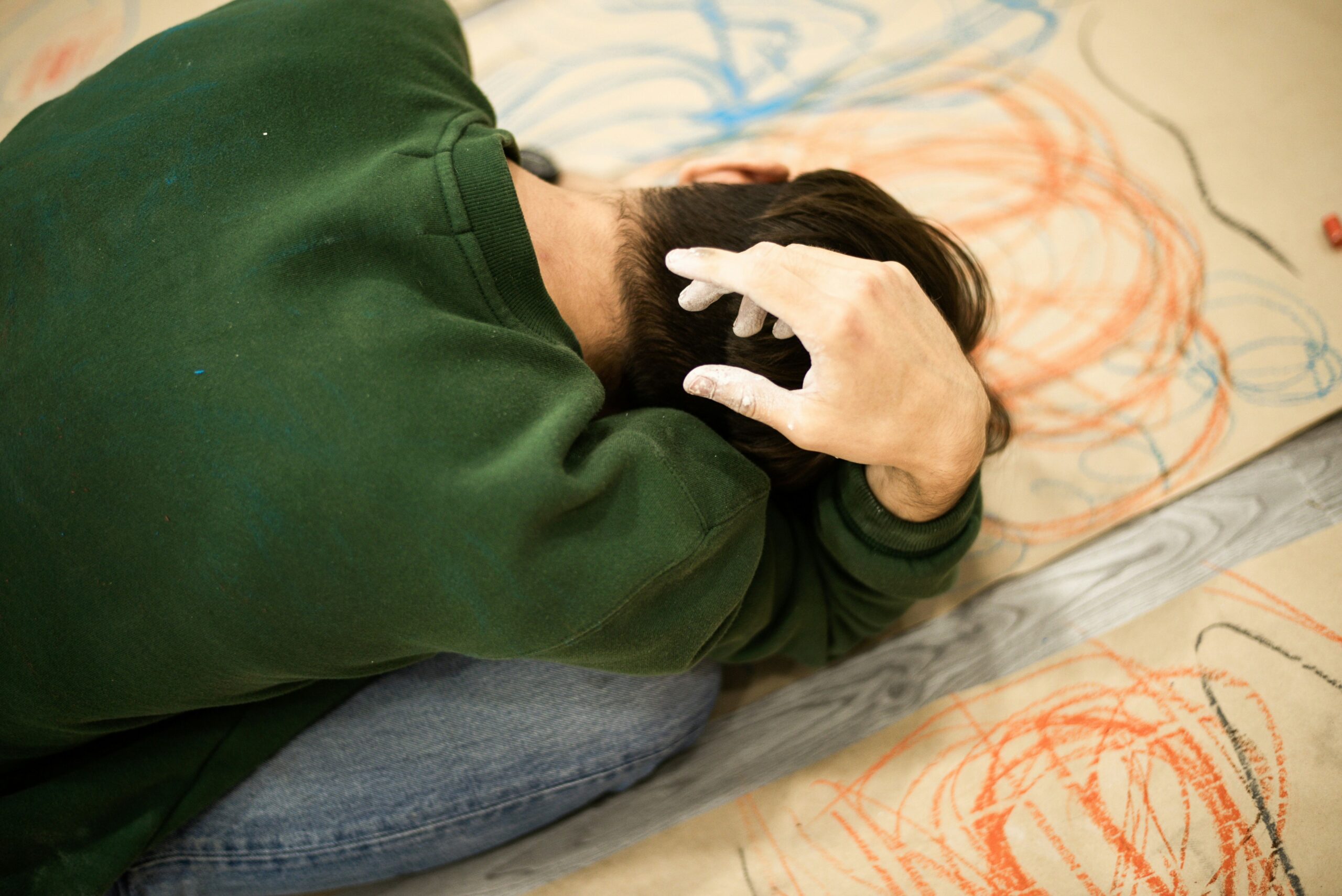
- Experiential and wellness groups, which engage the body and senses, including Art Therapy, Equine Therapy, Mindfulness, Guided Meditation, Body Scan and Experiential Awareness, Nutrition, and Spirituality
A Sample Day in the Program
Schedules vary by level of care and are tailored to the person, but a structured day often looks something like this:
| Time | Group | What it builds |
|---|---|---|
| Morning | Process group such as Process Addictions or Identity and Growth | Insight, honesty, and connection |
| Midday | Skills group such as CBT, DBT, or Motivational Interviewing | Concrete coping and change tools |
| Afternoon | Experiential group such as Art Therapy, Mindfulness, or Equine Therapy | Regulation, expression, and grounding |
A partial hospitalization program (PHP) includes more group hours per day, while an intensive outpatient program (IOP) uses fewer, so it can fit around work and family.
Why Group Therapy Works
Group therapy is one of the most evidence-supported formats in behavioral health, and the reasons are practical. It reduces the isolation and shame that fuel addiction and depression. It lets you practice new skills with real people. It offers honest feedback and accountability. And it shows you, in the room, that change is possible, because you watch others do it.
Groups Led by Specialists
Our groups are led by licensed, master’s-level clinicians and trained specialists, including a process group led by our Certified Sex Addiction Therapist founder, equine therapy led by a specialist facilitator, and registered support for our Nutrition group. This is part of why our care carries real clinical weight rather than generic programming.
Groups Plus Individualized Care
Groups are powerful, but they are only half of the model. Our flagship Individualized Intensive Programming pairs this group structure with one-on-one therapy built around you, including EMDR, Somatic Experiencing, and neurofeedback where they fit. We also run family support, because recovery is stronger when loved ones are included, which you can read about in our guide to supporting a loved one.
How Payment Works at Heights Behavioral Health
Heights Behavioral Health is a private-pay, out-of-network provider and is not in network with insurance plans. Some clients have out-of-network benefits that can offset part of the cost, and we are upfront about pricing before you commit. See our out-of-network guide.